
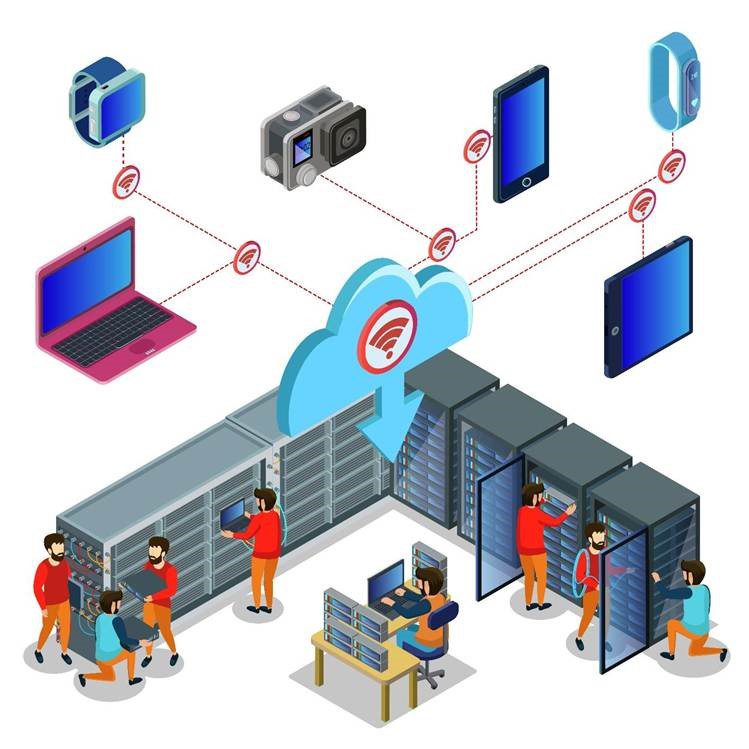
The Role of Edge Computing in Securing Smart Devices
The more internet-connected devices we have, like thermostats, medical sensors, or even smart cars, the bigger the risk when it comes to security. Most of these smart devices work at the edge of traditional networks, which makes them easier targets for hackers because they often have limited processing power and aren’t always updated properly.
Using centralized cloud defenses isn’t enough anymore.
Edge computing is a new way of handling data that brings processing closer to where the data is created. This reduces delays and also lowers the time these devices are exposed to threats. Even though some still see edge computing as just a speed-up tool, it’s becoming a key part of protecting against modern cyber threats in a world with more connected devices.
Edge computing changes how long a security breach can happen and helps build stronger defenses by adjusting how we secure smart devices.
Understanding the Threat Landscape for Smart Devices
The attack surface is growing quickly. For many homes, smart TVs, voice assistants, connected doorbells, and industrial sensors often have very little or no security protections, making them easy targets for advanced malware.
These devices usually run on simple operating systems that aren’t updated regularly and don’t support strong security features.
But sometimes, you might notice strange behavior, like the device slowing down for no reason or network activity increasing without a clear cause.
That could be a sign of worm malware.
Learn more about what worms are in cybersecurity by reading the detailed explanation on the Moon lock cyber security blog post that explains how worms can damage your network.
Traditional defenses that focus on the edges of a network aren’t effective against the spread-out nature of smart devices.
Problems in one area can go unnoticed, and once an attacker gets in, they can move quickly across all the connected devices. These systems miss the main point where they’re most needed—detecting and responding to threats from a distance.
What Is Edge Computing and Why It Matters
Edge computing is a system setup where processing happens close to where the data is created, instead of sending it faraway to the cloud. This set up naturally helps in making things faster, doing local analysis, and using less data transfer.
This approach is especially important when there are lots of smart devices around, as it reduces the need for a single central system.
It also lowers the chance of data being intercepted while it’s moving. By analyzing data at the edge, systems can spot problems and respond quickly without waiting for the cloud to give directions.
At home, edge-powered hubs can detect not only break-ins but also strange behavior from devices before the info reaches the cloud.
In factories, edge gateways keep an eye on machines for signs of something going wrong, like sudden powers pikes or unexpected delays, and can alert about possible sabotage or equipment failures right away. This improves performance and creates a strong, local security layer that protects the whole network from spreading issues.
Security Benefits at the Edge
As mentioned before, edge computing helps reduce delays by processing data locally, which is really important for tasks that need quick responses, like self-driving cars or live security monitoring. Because the data is handled closer to where it’s collected, threats can often be found and dealt with very quickly.
When systems are set up in a decentralized way, there’s no single weak point.
If one part of the system is attacked or fails, the rest can still work, which helps prevent big problems and keeps the whole network running smoothly.
New Risks in a Distributed Architecture
Decentralization can be a bit of a contradiction, even though people often praise it for making things more secure. That’s because it also creates new risks. With decentralization, every device at the edge of a network becomes a possible entry point for attacks. Each of these devices needs its own protection, which actually makes the overall system more vulnerable.
Most edge devices are used in places where people are around, so it’s easier for attackers to mess with them or take them.
Also, many manufacturers don’t think about security when they design their products. They often build devices with old software or weak security settings that are easy for hackers to take advantage of.
Without proper ways to keep things up to date and constant attention, these weaknesses can spread across the whole network.
Distributed Architecture Creates Natural Barriers
Edge architectures naturally separate data and processing tasks, different from centralized systems, which can allow malware to spread more freely. Because each device works on its own, if one device gets infected with worms or ransomware, it’s less likely that the infection will spread easily to other parts of the network.
This ability to contain threats is especially important in networks used in healthcare or energy, where a system shutdown can lead to serious problems.
Behavioral Anomaly Detection Prevents Lateral Movement
Edge computing lets you keep an eye on things like sudden spikes in CPU use, how much memory is being used, and strange communication patterns without sending that data to a main server first.
When these unusual signs are spotted early, systems can separate any possibly infected parts, which helps stop malware from spreading.
Localized AI Enhances Real-Time Threat Recognition
Putting AI and machine learning models directly into edge devices allows them to perform real-time threat analysis even when they’re not connected to the cloud. These models are trained to recognize small changes in usual behavior, helping them keep up with new and changing threats, like zero-day attacks.
This approach leads to quicker responses and less dependence on signature-based detection, which is important because modern malware can change its code to avoid being detected.
Conclusion
As smart environments become more advanced, security shifts from a single point of control to real-time protection right where the action happens. This is what edge computing offers: quicker detection of attacks, less time the network is exposed, and stopping threats before they spread. But this only works if the edge is properly secured.
By using trust worthy hardware, allowing changes without breaking security, and watching things closely, companies can turn edge setups from weak spots into valuable assets.
Whether it’s for factories, mobile devices, or homes, understanding and protecting different kinds of edge computing is now essential for keeping up with today’s fast-changing cyber dangers.