
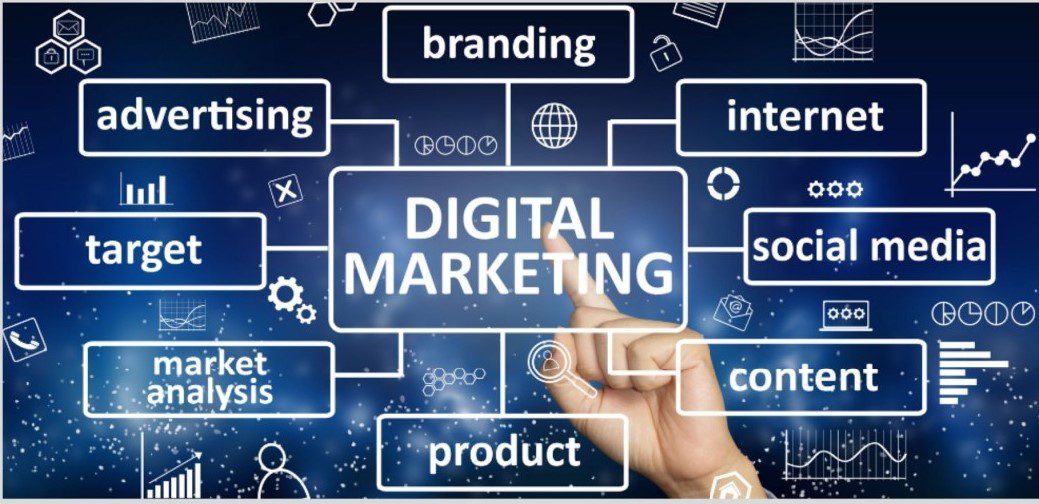
Building a Digital Marketing Strategy for the Plastic Industry
For plastic manufacturers, having a visible online presence is not something they can afford to overlook anymore—it’s a must. Procurement managers and production leaders are now more likely to look for suppliers on the web, and nearly all manufacturers say that digital marketing helps bring in real sales leads, proving how important it is to be found online.
For small and medium-sized B2B manufacturers, the main challenge is more than just having an online presence—it’s about being seen, believed in, and trusted. A well-organized B2B marketing plan makes sure your company is not only discovered but also understood by potential customers. It shows them what you can do, what new ideas you have, and how reliable you are.
Understanding the Plastic Industry Online
Plastic manufacturing is a very competitive field, and customers usually do a lot of research before they decide to contact a supplier. It’s important to know how possible buyers look for, check out, and compare different suppliers in order to create a good marketing plan.
Buyer Behavior in the Plastic Industry
Plastic buyers usually don’t rush into decisions. They do a lot of research, check out different suppliers, and look into technical details before they ask for a price quote.
Before reaching out, they often do around 10 to 12 online searches to find out things like product details, certifications, and how reliable a supplier is.
They like to compare things like cost, quality standards, how fast products can be delivered, and how eco-friendly the company is.
They also want clear product information, real examples of past projects, and references from other customers.
When information is clear and shows what the company can do, along with how it meets industry standards, it makes it more likely that buyers will reach out.
Competitor Digital Presence
Competitors who keep a strong online presence have an easier time getting new customers. Understanding how they do this can help you find ways to be different.
If competitors are showing off useful guides, blogs, and technical help, they build trust and become seen as experts.
If your competitors are easy to find online, potential customers might not even look at your products.
Looking at their websites and social media can show you areas where they don’t have enough information or where they could show more skill.
These are chances for you to step in and offer better answers or more expert knowledge.
By filling these gaps with good content and a clear marketing plan, you can make your brand the one buyers trust and choose.
Setting Clear Digital Marketing Goals
Setting clear goals helps digital marketing efforts lead to real business outcomes, like getting more quote requests and building trust with customers.
Getting More Quote Requests
Most plastic manufacturers want to get interested buyers who are ready to buy.
Focus your online ads on people looking for the plastics or services you offer.
Make sure important information like product details, delivery times, and certifications is easy to find.
This helps customers get quotes without extra effort.
Keep track of how many quote requests come from website visits, social media posts, and online ads to see what strategies are working.
Building Credibility and Trust
Buyers tend to favor suppliers they think are dependable, well-informed, and open about their practices. Building trust helps create more interaction and leads to returning customers.
Sharing helpful information like case studies, how products are used, and step-by-step guides can showcase your expertise and past successes.
Displaying positive feedback from clients, along with any official recognition or honors, helps show that you are trustworthy.
Keeping your audience updated with regular posts shows that you’re dedicated to excellence and helps keep your brand at the front of people’s minds.
Retention and Long-Term Engagement
Keeping good relationships with current customers helps bring them back again and makes your brand more trustworthy.
You can use emails to share information about new products, new ideas, or important news in your field.
Give customers helpful guides that can help them use your products better or solve problems they might have.
Ask customers for their thoughts and ideas to make your products and services better, and to build stronger connections with them.
Core Components of a Digital Strategy for Plastic Manufacturers
A full digital plan brings together different parts that work together to make a business more visible, build trust, and get more serious questions from buyers who are ready to make a decision. These parts should focus on giving real help and match how industrial buyers think and decide.
Sharing Information That Helps Buyers
Content that teaches and gives useful information helps build trust and shows your company knows what it’s doing. This type of content can include things like how-to guides, instructions on using your product, and real examples of how your solutions have worked, like cutting down on equipment problems or making production work better.
Posting regularly, like three times a month, keeps people interested and makes them come back again.
Sharing news about new ideas, how your products are used, and your efforts to be eco-friendly helps buyers see what your company is good at and what you value most.
Making Your Website Easy to Find
Making your website easy to use helps buyers find your business when they’re looking for specific solutions.
Each product page should have clear details like specifications, certifications, and pictures.
Use words that people actually use when searching for your products, like “custom polyethylene sheets” or “biodegradable packaging parts.”
Organizing your site with simple menus and links to related content and quote forms makes it easier for buyers to take the next step in deciding to buy.
Engaging on LinkedIn and Industry Platforms
Social media platforms let you connect directly with people who make buying decisions in manufacturing and purchasing. By sharing news, technical knowledge, and success stories on LinkedIn, you can show your company is trustworthy and help buyers think about choosing your products.
Joining groups and talking in forums related to your industry can also help build trust.
For example, answering questions about how materials work in packaging or explaining the benefits of certain materials shows you know your stuff in a way that’s easy to understand.
Paid Campaigns and Retargeting
Paid campaigns can help boost your natural visibility by reaching buyers who are actively looking for solutions. Search ads are great for connecting with people who are ready to make a purchase, and retargeting ads keep your brand in front of those who have already visited your website.
By using this strategy, your company stays at the front of customers’ minds, which can lead to more quote requests without needing a big increase in marketing work.
Choosing campaigns that regularly bring in real leads makes sure you’re using your budget in a smart and effective way.
Staying in Touch with Buyers
Email campaigns help keep both potential and current customers involved. By grouping email lists based on things like what a customer is interested in buying, you can send them information that’s more relevant to them.
Sharing news about new products, improvements in how things are done, or updates on industry trends gives customers ongoing value.
Also, sending personalized messages to customers who have shown interest but haven’t asked for a quote can help turn their interest into real business opportunities.
Using Data to Improve Decisions
Using data helps manufacturers improve their plans, direct their efforts to the most important areas, and track their progress efficiently.
Tracking Website Performance
Knowing how potential customers use your website can show what interests them and what makes them leave.
Keep track of page views, how long people spend on product or technical pages, and how many people download guides or case studies. These insights can help you decide what to update and what content to focus on that directly affects how many quote requests you get.
Measuring Campaign Success
particular material, you might want to create more content around that topic or provide additional resources. Changing your strategies based on what you learn helps keep your marketing efforts relevant and makes the most use of your time and resources.
Adjusting Strategies Based on Insights
Use the data to improve your content, targeting, and advertising budget. For example, if a blog post often leads to questions about a particular material, you might want to create more content around that topic or provide additional resources. Changing your strategies based on what you learn helps keep your marketing efforts relevant and makes the most use of your time and resources.
Overcoming Common Challenges in Plastic Industry Marketing
Plastic makers have trouble because of complex products, specific customers, and lengthy buying processes. To fix these issues, they need real solutions that work with how things actually operate.
Simplifying Highly Technical Products
Highly technical details can be hard for buyers to understand. Using simple explanations, pictures, and real-life examples helps customers better understand and compare products. For example, a guide showing how a certain polymer makes packaging more durable can help remove doubts and make customers feel more confident in their choice.
Tailoring Content to Niche Buyers
Not every buyer is the same. Create different customer profiles for various groups, like medical device suppliers, automotive part makers, or packaging designers. Make sure the content you share speaks directly to each group’s needs. This way, buyers can easily find the info they really need without getting lost in extra details.
Balancing Digital and Offline Efforts
Digital marketing should work together with trade shows, site visits, and direct contact. Use email campaigns and online materials along with face-to-face meetings to build trust. Keep track of both online and offline interactions to improve your efforts and get more quote requests.
Conclusion
A well-thought-out B2B manufacturer marketing strategy is important for plastic manufacturers who want to increase their visibility, build trust, and get more quote requests. Using helpful content, improved product pages, active participation on social media, focused advertising, and using data to improve efforts can help attract serious buyers and keep customers satisfied.
To be successful, companies need to put in steady work, take real actions that can be measured, and understand how buyers make decisions.
Those who put effort into organized and useful marketing not only appear when buyers are looking for solutions but also become reliable partners that help grow the business over time.