
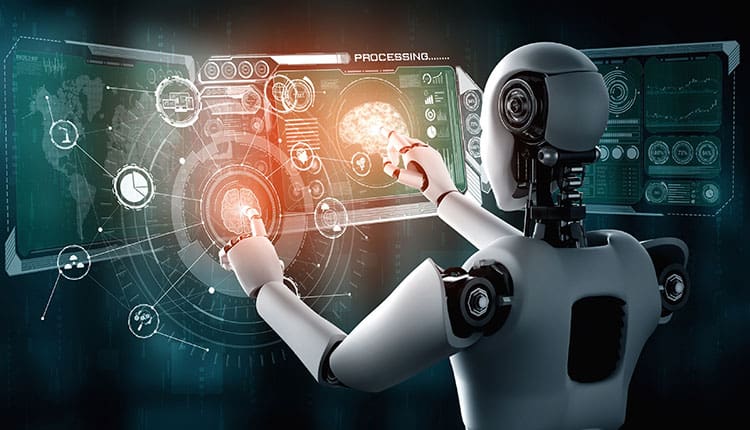
How AI Is Reshaping the Future of Cybersecurity
As technology advances, so do the threats we face. The internet has become integral to almost every aspect of modern life, from work and entertainment to communication. This widespread integration presents incredible opportunities, but it also expands the potential attack surface.
Cybersecurity exists to protect us from these digital threats. While traditional methods were once sufficient, the landscape is rapidly evolving. Artificial intelligence, in particular, is emerging as a powerful force, not only enhancing cybersecurity measures but also fundamentally reshaping our understanding of the field.
The New Digital Battlefield
The internet is like a modern war. Hackers and bad guys keep trying to break into systems and steal data. At the same time, people and businesses are also trying hard to keep their information safe. Traditional defenses like firewalls and simple passwords are not enough anymore because hackers are very quick and clever. That’s why we need better ways to protect ourselves.
People are now using AI as a powerful tool to defend against attacks.
Some tools that seem unrelated to security show how much AI has grown. The same AI that creates characters in games can also learn to recognize patterns in online threats. This shows that AI can help in many ways to make our defenses stronger, not just in one way.
AI helps in smarter detection.
In the past, people had to go through lots of logs and documents to find problems. It was slow and boring. With AI, systems can now process huge amounts of data in real time and spot small changes that people might miss.
For example, if a user logs in from an unknown location or a system starts acting strangely, AI can instantly alert people.
This doesn’t mean AI replaces people, but it helps them focus on what’s important quickly. Faster detection leads to faster action and less damage.
Predicting Threats Before They Happen
AI doesn’t just react to threats. It can also notice things before they happen. Using machine learning, systems can look at past events and find out what keeps happening again and again. When the same warning signs appear, the system can predict that something bad might be coming. This new ability to foresee problems changes how security works.
Cybersecurity teams can prepare before something bad occurs instead of waiting for damage to happen.
It’s like having a watchful guard who senses danger before it arrives. This helps businesses stay more secure and gives people more confidence when using online services.
AI-Powered Defense in Real Time
Another great benefit of AI is that it works fast. In the digital world, every moment counts. When an attack begins, there’s often not time for long discussions. AI systems can take action right away. They can stop people who look suspicious, block harmful links, and isolate parts of the network that are under threat.
This happens without waiting for a person to make a decision, which saves a lot of time.
People still check things later, but AI’s quick response makes the attack less powerful. This kind of automatic protection is becoming one of the most important parts of modern cybersecurity.
Balancing Security and Privacy
AI is very strong, but it also has some challenges. One big question is how to balance privacy and safety. AI systems need a lot of data to learn and make decisions. This data often includes personal details, and if it’s not managed well, it can harm people’s privacy. Companies need to use AI tools carefully and only collect the data they really need.
Trust is another big problem.
People want to feel safe, but they also want their privacy to be protected. Finding the right balance isn’t easy, but it’s really important if AI is going to be widely used in cybersecurity.
The Human Side of AI Security
AI offers significant advantages, yet it can’t completely replace humans. While technology excels at processing information and executing tasks rapidly, it lacks a deep understanding of human meaning and values. This is why human experts remain crucial: they guide AI systems, oversee their output, and make critical decisions when issues arise.
Moreover, humans possess the ability to generate novel ideas that machines can’t. They can, for example, conceive of new attack strategies that AI might not detect. The future of cybersecurity will likely be a collaborative effort, with AI handling complex tasks and humans leveraging their experience to make informed decisions and assume accountability.
Conclusion
AI is revolutionizing cybersecurity, not just acting as another tool. It’s transforming threat detection, attack prediction, and real-time system defense. This shift is fundamentally changing how we secure ourselves online. However, it also raises crucial questions about privacy and accountability that need careful consideration.
The future of cybersecurity lies in a collaborative approach, combining AI with human expertise. This partnership promises a safer and more resilient digital environment. Despite the existing challenges, the opportunities presented by AI are immense. It’s ushering in a future where technology both introduces new risks and equips us with the defenses to counter them.