
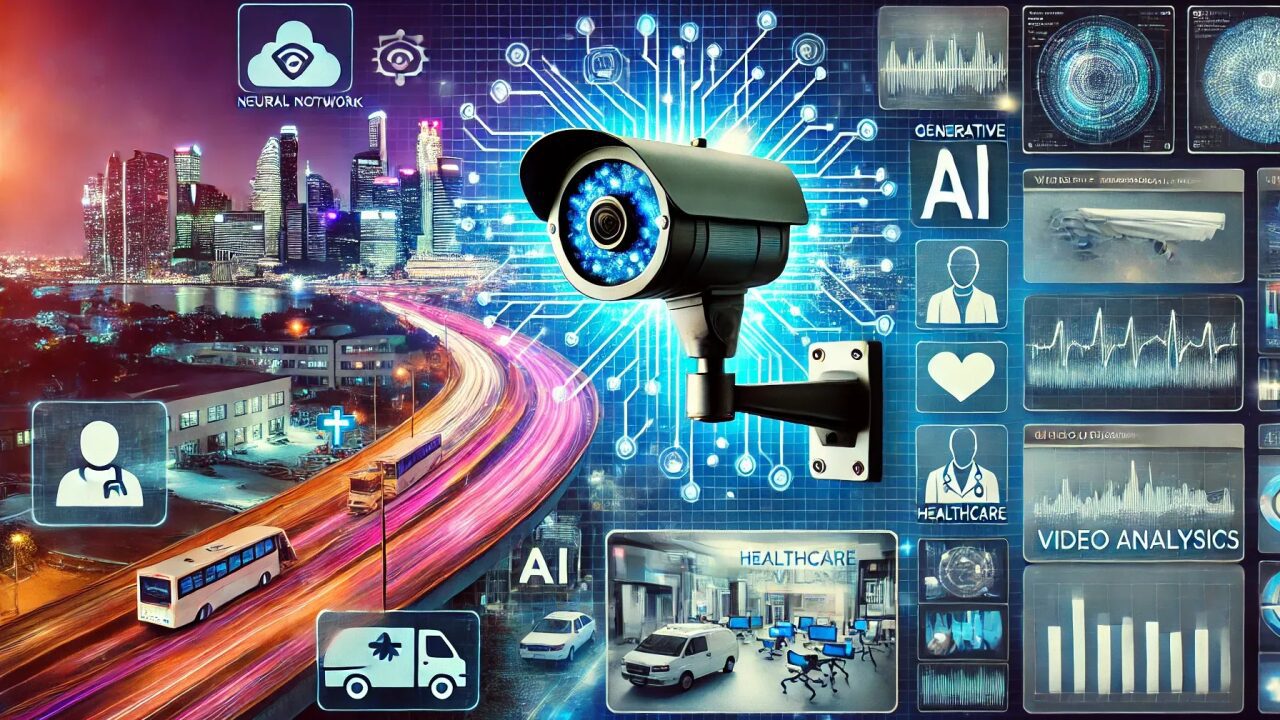
How AI and Analytics Are Shaping the Future of Video Surveillance
Video surveillance has changed a lot over the years because of improvements in artificial intelligence and analytics. These technologies have made it much better at watching, spotting problems, and reacting to them.
Companies and local governments use video surveillance not just for safety, but also to gather information that helps them make decisions.
Even though these systems have many advantages, they also present some issues, especially when it comes to protecting personal privacy and keeping data secure. It’s important to understand how AI and analytics work in these systems so they can be used properly and effectively.
Transforming Security with AI
Using AI in video surveillance changes the way security is handled. Old systems need people to watch videos all the time, which can be slow and lead to mistakes. AI helps by looking at a lot of video footage on its own, spotting strange actions or possible dangers. This lets security teams pay attention to important events instead of watching lots of videos.
AI uses tools like face recognition, motion sensing, and spotting odd behavior to find threats.
Studies show AI can cut down on false alarms by up to 90%, making security responses better and faster.
This improves safety and helps use resources wisely, making sure people are where they’re needed most.
AI can also look at past data to predict possible problems. By finding patterns, AI suggests ways to prevent issues before they happen, creating a more proactive security setup.
Video Surveillance Tampering
As video security systems use more AI and special tools, they are easier to hack or change. Changing video footage can make security systems less trustworthy, so it’s important for companies to have strong security plans. Altering video feeds can lead to big problems, like stealing information or making it look like something didn’t happen when it did.
Bad people trying to get around security can find ways in if companies don’t keep their systems safe.
Using cameras that can’t be changed and protecting data with encryption are important steps for any company to take. Also, being able to spot strange things, like a camera not working or files getting messed up, helps catch issues early. Using both physical and digital security together makes it harder for someone to tamper with the system.
The Role of Analytics in Surveillance
Data analytics complements AI by providing deeper insights into human behavior and interactions within monitored spaces. Organizations can identify patterns that inform strategic planning and operational enhancements by aggregating and analyzing surveillance footage. Retail businesses use analytics to understand customer behavior, enhancing layout designs, staffing, and inventory management based on observed traffic patterns.
Analytics plays a significant role in refining security protocols. Organizations can pinpoint security vulnerabilities or procedural shortcomings by analyzing video-recorded incidents. This feedback loop is invaluable for continuous improvement and adaptation to new threats. Video analytics tools now incorporate machine learning, further increasing their ability to learn from past incidents and improve. As a result, organizations can create more secure and efficient environments while minimizing unnecessary interventions.
Privacy Concerns in Video Surveillance
These tools make traffic smoother and safer by helping officials know about dangers quickly. Hospitals use this tech too. Cameras with AI can help protect patients and workers. They watch how people move, which helps staff plan their work better based on how busy areas are.
AI monitoring also helps stores understand how customers act and where people go, which helps place products better.
Factories use similar tools to keep workers safe and catch machine issues early. Schools use AI to watch what’s happening on campus and act fast if there’s a problem. Delivery companies use these systems to guard their storage areas and track what’s being moved. Even sports events use AI to manage crowds and make the experience better for everyone.
Real-World Applications of AI and Analytics
Many areas use AI and data analysis in their video monitoring setups. In cities, AI helps watch public areas, which helps prevent crime. Places that use these tools have seen big drops in crime because they can spot problems faster and keep better watch. A cool use is in moving traffic.
AI checks how cars are moving, finds where there are lots of jams, and tells drivers new routes on the spot.
These tools make traffic smoother and safer by helping officials know about dangers quickly. Hospitals use this tech too. Cameras with AI can help protect patients and workers. They watch how people move, which helps staff plan their work better based on how busy areas are.
AI monitoring also helps stores understand how customers act and where people go, which helps place products better.
Factories use similar tools to keep workers safe and catch machine issues early. Schools use AI to watch what’s happening on campus and act fast if there’s a problem. Delivery companies use these systems to guard their storage areas and track what’s being moved. Even sports events use AI to manage crowds and make the experience better for everyone.
The Future of Video Surveillance Technology
The future of video surveillance is looking brighter because of constant improvements in AI and data analysis. New tools are being developed to work together with other smart systems, making a complete and connected security setup. As different industries change, adding IoT devices to surveillance systems is helping improve what these systems can do. This allows them to turn large amounts of data into useful information quickly as it happens.
New ideas like edge computing are becoming more popular.
This means data is processed right where it’s collected, not just in the cloud. This helps cut down on delays, makes the system faster, and helps respond better during important events. Even though there are many advantages, people are still talking about issues like ethics and privacy. How these technologies develop will depend on finding a good balance between new tech and public worries.
AI and data tools have really changed video surveillance, making it more effective and useful for many areas.
With all these changes comes a need for responsibility. Companies have to manage the balance between protecting people, using the technology well, and keeping personal information safe. It’s important to deal with threats like hacking to keep people trusting these systems, so that surveillance can help protect without being too invasive.