
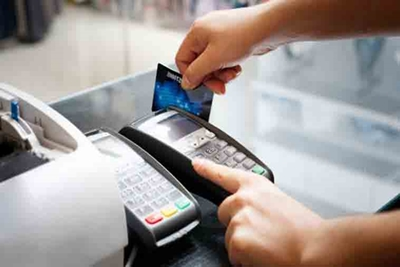
Fast and Secure: Balancing Safety and Speed in Online Transactions
Today’s users expect online transactions to be super fast, almost instant. But even though speed is important, it shouldn’t come at the cost of security. Online systems need to find a way to balance both speed and safety. That’s not easy. When transactions happen quickly, there’s more chance of fraud because it’s harder to catch bad activity. On the other hand, too many security steps can make users impatient, and they might get upset or leave the service.
Take online casinos, for example.
They deal with big money and customers who are eager to get their winnings right away after a big win. This means they must find a good balance between fast payouts and strong security. Letting customers take control of their money and cash out quickly is key to keeping them happy. Because of this, the best payment systems try to offer both speed and good security.
New payment methods like e-wallets and cryptocurrency allow for almost instant deposits and withdrawals.
This is why these options are growing in popularity and are often better than traditional banks. A study by Discover Global Network found that 73% of consumers use instant payment methods. Meanwhile, a McKinsey report says that 95% of banks believe fast online banking options are important for customer satisfaction. Speed makes things more convenient, and the faster the transaction, the happier the user, which leads to more profits.
Why Transaction Speed Matters
Today’s customers want payments to go through quickly, and waiting around for them is no longer tolerable. A report from McKinsey says over 90% of U.S. customers use digital payment methods, and nearly every bank and credit union agrees that fast payment technology is key to keeping customers happy. The advantages are clear:
Competitive advantage: Speed is a big plus. Any business that can offer “instant withdrawals” and “one-click buying” will attract more customers and keep them coming back.
Higher conversion rates: A quick check-out process encourages people to make impulsive purchases and lowers the chance of them leaving their cart unfinished.
Even a small delay or problem during checkout can make customers decide not to buy.
Instant access to money: Whether it’s online gaming or shopping, people want fast and easy payment methods.
This has led to a rise in mobile wallets and card-not-present transactions, which are digital payments made without using a real card. Instead, users log in with their card and account details or use an app where they’ve already shared their login information.
Businesses feel pressure to meet what customers want. Since speed is now very important, some companies skip proper security steps to make things go quicker. But this is when problems can happen.
Why Security can’t be Dispensed with
Speed is good until something goes wrong. Quick transactions come with a bigger chance of being hacked. Digital wallets have made paying easier, but they also bring new dangers. Many experts worry about security issues that come from not following proper safety steps. Even though fast payments are convenient, the risk of fraud can’t be ignored.
That’s why security can’t be compromised, even if it means customers have to wait a little longer.
For both businesses and users, there are some key security steps to think about:
- Encryption and tokenization: Data is transmitted encrypted and using a one-time token for sensitive data. This means that even during a data breach, the data is secured.
- Multifactor authentication: Allow an extra minute for additional authentication processes like face/finger ID, pin code, or a code sent via SMS to reduce security risks.
- Security standards: The PCI Security Standards Council has sent standards to o protect payment data through the payment lifecycle. Using providers who stick to these standards reduces security risks significantly.
- Fallback and recovery plans: Insurance, chargeback options, and a fast response team that deals with security incidents immediately can help to reduce the damage (and potential customer dissatisfaction)
Conclusion
Speed and security don’t have to work against each other—they can go hand in hand when making smart choices. Some people only care about how fast a transaction happens, while others care more about keeping things safe and are okay with taking a little extra time for extra checks. A service provider needs to understand who their customers are and what they care about most.
But the best companies are able to balance both speed and security.
The secret is using the right technology and organizing things in a smart way. For instance, AI can help automate tasks and allow for quick checks in real time. Even with all that, people still need to watch over things. That said, technology can definitely make things faster and help avoid mistakes that humans might make.