
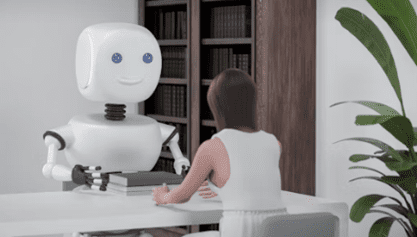
AI and The Future of Human-Machine Relationships
The way humans and machines interact is changing very quickly. Even something like an intelligent assistant shows how much machines are becoming a regular part of our daily lives. This brings up new worries about how much we trust, connect with, and feel in control of these machines. In this article, we look ahead to how deep the relationship between humans and machines might become in the near future.
Emotional Bonds in a Digital Age
Beauty and eeriness come together when a human spirit meets the world between people and machines. It shows up even in strange situations, like when someone plays a cricket wager game and uses AI predictions not for the numbers, but for the odd sense of being advocate and a little ahead. There’s proof that we want to feel safe, understood, and comforted—even when it’s from something built of silicon and wires.
Think about a heartfelt, emotional review from someone using a mental health app, something many don’t fully grasp.
Or imagine an autistic child sharing deep, personal fears with an AI friend.
Redefining Trust Between Man and Machine
In the past, people made trust by straddling together, possess coffee, and potentiality eye contact. Even small things like brushing or laugh created us sense closer. Now, in today’s world, a calm voice or a soft phone sound can sense just as personal.
Your AI calendar doesn’t just describe you about events—it also release how excited you learn when you speak, displaying how engaged you are.
GPS doesn’t just assist you escape traffic—it also attendant you when things learn tough.
Voice assistants often bring a smile to older people’s faces when they help them remember important moments.
When a device reminds you to drink water, it’s not just a guess—it knows your habits and gently reminds you at the right time.
These tools stay with us even when no one else is around.
They don’t pretend to be people, but they’re there for support, creating a new kind of connection and companionship.
New Forms of Human-Machine Collaboration
The future doesn’t lie in man versus machine conflict. It lies in our seamless interplay. A new language is being formed between neural networks and human nerves, not in code or speech but in understanding. It is shifting the ways we create, serve, and live.
Shared Work spaces with AI Assistants
Our work is changing, not because we’re lazy or moving faster, but because of a new kind of awareness that’s now possible. Imagine walking into your workspace and feeling like someone understands your way of working. The AI Assistant doesn’t stop you or push you. It learns on its own. It remembers the documents you often forget and brings them to you before you even ask.
It also notices when you’re feeling tired, not by looking at your face, but by how you type.
Your sentences start to feel slower, and your words lose their energy. But the AI doesn’t rush you. It changes how it helps based on what you need.
Emotional AI in Service Roles
Beauty and eeriness come together when a person’s spirit meets the world between humans and machines. It shows up in strange situations too, like when someone bets on cricket and uses AI predictions not for the stats but for the strange comfort of feeling supported and a little more in control. There’s evidence we want to feel safe, understood, and comforted—even when it’s from something made of silicon and wires.
believe about the thankful and emotional feedback many don’t grasp, especially for mental health apps.
Or imagine an autistic child sharing deep, personal fears with an AI friend.
Ethical Challenges and Boundaries
Most of the time, you won’t even release when the line has been crossed. At first, it seems helpful, but then it starts feeling weird and too much. The line is between the quiet hints and loud warnings of an AI that looks too closely or a voice assistant that remembers things it shouldn’t. Beyond feelings, where do we really draw that line—by law, by morals, or just by instinct?
That question isn’t just imagined anymore.
It’s everywhere, from hospital rooms to courtrooms and even in apps that set betting odds. Are these algorithms just helping, or are they changing everything for their own benefit? Isn’t it too much control when your smart device gives you advice on a quick bet or pushes your anger when you lose?